facebook twitter
  • Home
  • Features
    • Multi DropDown
      • DropDown 1
      • DropDown 2
      • DropDown 3
    • ShortCodes
    • Sitemap
    • Error Page
  • Learn Blogging
  • Documentation
    • Web Documentation
    • Video Documentation
  • Download This Template

SAMEE-Saudi Arabian and Middle Eastern EX Expats


Jeddah fountain

Jeddah Fountain . Credits


How to visit Saudi Arabia from the US?


Brief History.

Saudi Arabia is located in the Middle East and is the biggest producer of Oil.  You might be wondering:” Why Should I visit Saudi Arabia”?

Good question.

The first one is religious. Saudi Arabia is home to Makkah or Mecca.  That is simply put: Makkah (Mecca) is to Muslims as Vatican City is to Christians. The place will Islam started was in Saudi Arabia.

Saudi Arabia as a state was founded in 1727 by Imam Muhammad al Saud. How Al Saud formed the first Saudi State can be in a past article by Arab News.

We fast forward by passing:

·         Second Saudi State

·         Third     Saudi State

The Third Saudi State was founded by King Abdul Aziz in 1902 and continues under the name of Saudi Arabia.

Facts about Saudi Arabia

Climate of Saudi Arabia

The temperature in Riyadh is approximately 50 degrees Centigrade. That is what a person experiences when you are walking on the road. Just stepping outside the airport will show a heat wave for a brief time since once the visitor gets in a taxi it is Air-conditioned.

The climate of Jeddah is much cooler, the highest being around 40.  If you are used to the weather in Phoenix, Arizona, that would not be a problem at all.

Laws

Saudi Arabia has strict laws in accordance with Islam.  So you should know the before going for a visit. Capital punishments are implemented for murders, manslaughter, and accidents.

Culture

The culture is conservative and based on Muslim values. Have a look at this site which would give more information.


Official Religion: Islam.

Currency:

Saudi Riyal.

 1 US$=3.75 Saudi Riyals. This has been the since more than 50 years because of a special agreement between the countries: United States and Saudi Arabia.


Why People Visit Saudi Arabia?

·         Religious- For Muslims.  Major Pilgrimage (Hajj’) and Minor (Umrah’).

Where do Muslims visit for religious reasons?

·         Makkah- the House of Allah (God) is located here in Islamic belief. It is called Kaaba.

·         Madinah- The Prophet Muhammad migrated here from Makkah. Read Biography or ‘Seeratul Nabi’.

·         Various places in Makkah, Madinah, and Jeddah.

Official airlines:

Saudia: Saudi Arabian Airlines.


News Paper:

·         Arab News

·         Saudi Gazette.


An American or Westerner might ask “Why Should I visit Saudi Arabia as a non-Muslim?”

Well, to experience something different. It is like saying they are other Operating systems like Linux and UNIX. It is worth to try and see.

Tourist and religious Places to visit in Saudi Arabia:

·         Balad (Jeddah).

·         Wife of Prophet Adam’s grave (Hawa in Islam and Eve in Christian scriptures).

·         AL TAYEBAT INTERNATIONAL CITY MUSEUM –Jeddah.

·         Floating Mosque, called Al Rahmah Mosque.-Jeddah.

·         Masjid al-Haram (Makkah. It is for Muslims only).

·         Nasef House-Balad District. Ottoman Era House.

·         Sea Beach in Jeddah.

·         Al Majid al Nabawi. (The Prophet’s mosque).-Madinah. Non-Muslim visitors can Madinah but entry to the Prophet’s Mosque is restricted. One can experience spiritual peace, calmness, and spiritual coolness though temperatures in summer are around 50 Degrees Celcius.

·         Al Ula-If you like archaeology and history, a place to visit. It was founded in the 6th century, BC. It was known as Dedan and was founded by Nabataea. It is recommended to read some books like

·         Madain Saleh-People of Thamud.

1.      The Road to Ubar by Nicholas Clapp. The billionaire who thought he founded city of Iram is described in the Quran. The Quran talks about the people of Aad’.

These people about 4000+ years ago built houses out of the mountains. They were giants (about 60 feet tall approx.). To them, Prophet Hud(Eber in the Bible) was sent. Source.


2.      The Sand Kings of Oman by Oshea and Raymond. source


A must-read if you are interested in the history and story of Giants’ who refused monotheism and were destroyed.


The two main perished tribes of Arabia mentioned in the Quran are:

·         Ad’ Tribe. To Them, Prophet Hud (Eber in Bible. According to some scholars.) was sent. They were descended from Sham’(Shem, son of Prophet Nuh).

·         The Thamud Tribe- They came after several generations after Ad’ and were their descendants.

And to ‘Ad [51] We sent forth their brother Hud. He said: 0 my people! Serve Allah; you have no other god than Him. Will you, then, not avoid evil?’


The Quran says about Iram:

Have you not considered how your Lord dealt with ‘Aad [With] Iram – who had lofty pillars, The likes of whom had never been created in the land?} (Quran)


Iram was a magnificent city and was supposed to be a remake of “Paradise” built by Shaddad bin Ad’. The bin’ means son of and is equivalent of the Jewish version of ‘Ben’.

Iram has not been found yet. Nicholas Clapp found something close but it was not Iram.


Hath not the history of those before you reached you: the folk of Noah, and (the tribes of) A’ad and Thamud, and those after them? None save Allah knoweth them. Their messengers came unto them with clear proofs, but they thrust their hands into their mouths, and said: Lo! we disbelieve in that wherewith ye have been sent, and lo! we are in grave doubt concerning that to which ye call us.

                                   (Quran 22:9)


The Thamud wanted their prophet Hud(AS) to show them a miracle like creating a living she camel from rock. This was done yet these people chose not to believe in the Almighty alone. They killed the camel too. The people of Ad’ refused to shun idolatry and paganism. Ultimately they were destroyed.

The buildings of Thamud exist but for more Muslims, it is not advised to visit though looks interesting.


Souvenirs from Saudi Arabia:Takeaway

·         Dates –Very good quality and unparalleled Buy ajwah dates from Madinah.

·         Traditional Arab jewelry. The gold is Swiss gold, pure and has 999 tag.

·         Oud Perfume.

·         Sandal wood.

·         Dallah-Arabian Coffee pot.

Hand-crafted homeware from Athana.


Souvenir Shop.

Souvenir


Balad Souvenir.

Website.

Location: Jeddah.

Address: 3163 Qabil Ln, Al Balad District, Jeddah 22236, Saudi Arabia.

Phone: +966 53 165 7556


Don’ts before going to Saudi Arabia.

Read here.


Eating in Saudi


1.      Al Baik. This Saudi and Middle East’s answer to KFC chicken. Delicious and much less price compared to KFC. Don’t miss it. You can think of giving a franchise in the US or Europe if you want to.

2.      Shwarma and Musakil’. Shawarma is food from the Middle East. It can be chicken, mutton or beef. Arab Sandwich which is found in Europe too but here you get the original flavor. mmm, is delicious.  Restaurant name: Sands Restaurant or anywhere in Jeddah or Saudi Arabia. We will update you on restaurants in Saudi Arabia in our next post so follow our blog. Musakil’ is the mixed fruit juice. Price: 10.40 US dollars. In the 1980s-90s price was 0.53 US$. Well Coke was 0.50 Dollars too in US then.

3.      Shabaik –Lebanese Restaurant.(JD). Address: 3163 Qabil Ln, Al Balad District, Jeddah 22236, Saudi Arabia.

4.      Leila Min Lebnen- Lebanese

5.      Chicken Republic (JD).  website

6.      Ruya- Turkish restaurant (RYD).

7.      Soby Kaber-Egyptian.(RYD).

8.      Em Sherif Café. (RYD) .A well-known café in the Middle East, so don’t miss it.

9.      Harat

10.  Lusin.

Cost for two 500 Saudi Riyals. (approx) . 133.28 US$.(per meal).

Lodging.

Best is to stay in hotel (3 star plus).

Five star hotels.

150 US$.

OYO

Lavina House.

Cost: 30 US$+.


Applying for a Saudi Visa


The application for a Saudi visa can be made online or physically.

https://visa.visitsaudi.com/


That is all for now. Keep reading and following our blog.
 Life in Saudi Arabia in the 80s and Foreign Immigrants


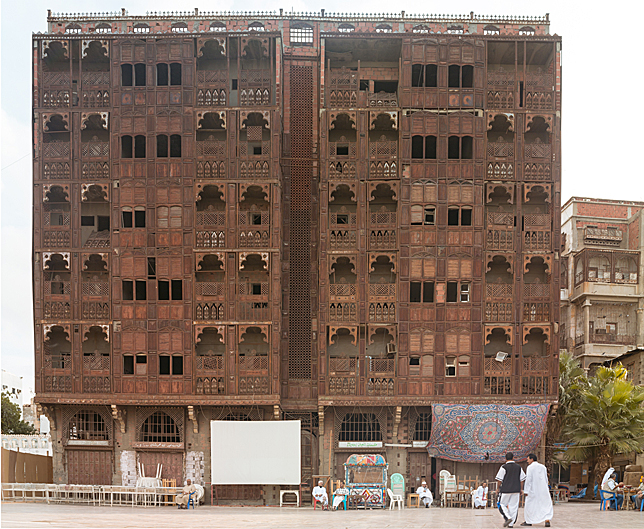
In the 1980s, Saudi Arabia underwent significant transformations, largely due to the oil boom of the previous decade. This period was marked by rapid modernization and economic growth, which brought profound changes to the daily lives of Saudis and foreign immigrants alike.


 Economic Boom and Modernization


The 1980s were a time of substantial economic prosperity for Saudi Arabia. The country invested heavily in infrastructure, education, and healthcare, reshaping its urban landscape. Major cities like Riyadh and Jeddah experienced rapid development, with new roads, hospitals, and schools sprouting up, reflecting the nation’s newfound wealth.


 Cultural Shifts


While modernization was evident, traditional values remained deeply ingrained in Saudi society. The country maintained strict adherence to Islamic principles, which influenced all aspects of life, including dress codes, gender segregation, and public conduct. The balance between embracing modernization and preserving cultural heritage was a defining feature of this era.


 Life for Foreign Immigrants


The economic boom attracted a large influx of foreign workers from Asia, the Middle East, and the West. These immigrants played a crucial role in the development of the country, contributing to sectors such as construction, healthcare, and education. Despite their contributions, life for foreign workers varied significantly based on nationality and occupation.


For many expatriates, especially Western professionals, life in Saudi Arabia offered lucrative job opportunities and a high standard of living. They often lived in well-equipped compounds that provided a degree of separation from the conservative cultural norms of the wider society, allowing for a lifestyle more familiar to their home countries.


Conversely, for many laborers from countries like India, Pakistan, and the Philippines, the experience was different. While these workers found employment opportunities, they often faced challenging working conditions and lived in more modest accommodations. Cultural and legal restrictions also posed challenges, as the strict social codes required adaptation and respect for local customs.


 Social Dynamics


The presence of a diverse expatriate community led to a multicultural environment, especially in larger cities. However, interactions between Saudis and expatriates were often limited, with each group maintaining distinct social circles. This segregation was due in part to cultural differences and language barriers, but also to the legal and social frameworks that governed everyday life.


 Conclusion


Life in Saudi Arabia during the 1980s was a period of juxtaposition between rapid modernization and strict adherence to tradition. The influx of foreign immigrants played a significant role in shaping the country’s development, contributing to a diverse social fabric. Despite the challenges faced by many expatriates, this era laid the groundwork for the dynamic and multifaceted society that Saudi Arabia continues to evolve into today.


SAMEE-Our Story

There are many times we ex-ex-pats or children of ex-expats from the Middle East think of the past days as being safe, glorious, and plentiful. The bonding among expatriates in the 80s, especially in Saudi Arabia was great.  Colleagues of friends came to stay in friends' or colleagues' houses. They might have barely known each other but the trust was great and so was the bonding.


In Saudi Arabia:


We 1980s had the following events, for those who came in the late 70s like us:

·        The Koreans made roads in the 1980s

·        New Buildings being built

·        Caravan Market

·        Introduction of Sarawat Super Store. There was Safeway and –“International Market” called Sarawat 1.

·        Atari Games.

·        Shwarma

·        Musakkil

·        Tihama Bookstores

·        Al Baik. I never saw the name yet I remembered the logo in the sauces.


There was the broast and the usual chicken that was grilled and both cost similar except the grilled one had rice.

The Broast chicken had French fries and Toum’’(Garlic sauce).


SAMEE stands for Saudi Arabian and Middle Eastern Ex Expats. This gives us SAMEE.

Ok we don’t have a site because we need funding, once we have that a site can be easily be made.

SAMEE is not just for people who live or work in Saudi Arabia but also for people in the Middle East.

Condition being is time period:

1970s-2000.


Few cases of SAMEE making it big.

Few are:

·        LuLu Group Chairman: Yusuf Ali.

Age:68 years.


Wealth: 8.4 Billion US$

Story:

Yusuf Ali completed a diploma in Business management and administration and went to UAE in 1973 for his future. He is from a small town in Kerala, India.

He went to work and struggled but with the help of his uncle, he established a Hyper Market in UAE and the rest of the Middle East.

Website: https://www.lulugroupinternational.com/

Nationality: Indian

SAMEE congratulates Yusuf Ali, as his story encourages many expats to go in the Middle East.


This was man was not a great engineer or doctor but had knowledge of business and saw the positive side instead of complaining like a lot of expats.

 Expats, fail to learn Arabic despite living in the Middle East for more than a decade. Some think it is kind of a great thing not to know Arabic or the local language.


·        Al Haramain  owner Mohammed Mahtabur Rahman (Nasir)

Wealth: 250 Million US$

Age: 66 years.

Story:

Kazi Abdul Haque main founder of Al Haramain Perfumes. That is they are a brand representing Attar’.

He was a trader of agarwood or frankincense. This trade was done in Arabia for thousands of years by the Arabs.  A shop was opened in Makkah in 1970.

The current owner is a son of Kazi Abdul Haque.

Nationality: Sylheti Bangladeshi.


There are many such stories of expats making it big but in SAMEE we want to unite stories, memories, and bonding in one platform.

Some of the brands in Saudi Arabia:

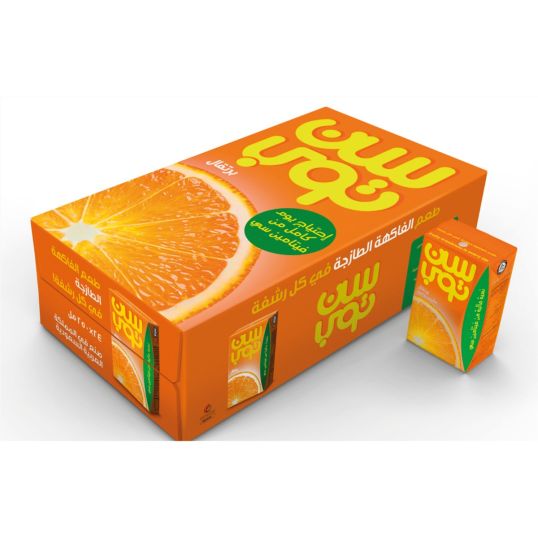
·        Suntop juice

·        Afia

·        Savola

·        Vimto

·        Shani


The point is to keep united in one platform.


Please follow us:

·        Face Book Page: https://www.facebook.com/SAMEEXPATS.


Older Posts

Subscribe Us

About


Hello, There!

Vix no volumus ocurreret maiestatis, quaeque alienum eum te, semper principes deseru


LET’S BE FRIENDS

Trending

How to Plan your Trip the Right Way
Powered by Blogger.

Report Abuse

About Me

My photo
Indica Collection
I like to cook delicious sorts of food.
View my complete profile

Search This Blog

Blog Archive

  • July 2024 (2)
  • June 2024 (2)
  • May 2024 (2)

Categories

  • saudi1980s (3)

Main Tags

  • coldrinks (1)
  • middleeast (3)
  • recent (1)
  • SAMEE (2)
  • saudi expats (3)
  • saudi1980s (3)
  • US (1)
  • Home

Popular Posts

coldrinks

Suntop and cold drinks of the 80s in Saudi Arabia

SAMEE-Our Story : A Platform for Middle East EX EXpats

Scholarships for Muslim Students from Saudi Arabia

Visting Saudi Arabia

@INSTAGRAM

Don’t Miss

Nullam eta curss tellus sapien. Nam nec eltum elit. Pellent esque habitant morbi tristique sene ctus et netus emalesuaac turpis egestas...

Contact Form

Name

Email *

Message *

YouTube channel

youtube image
Created By SoraTemplates | Distributed by GooyaabiTemplates